Dog Training Tips
TIZE- a professional custom pet products manufacturer and dog training device supplier since 2011.
Language
It's natural for dogs to bark from time to time. They do this to communicate with us or other dogs and to express themselves. When we play with our dogs, we usually don't mind if they bark. And sometimes, dogs bark to warn us about possible danger, like someone at the door. However, too much barking can not only affect our lives but also annoy our neighbors. So, why do dogs bark so much, and what can we do about it?
This article will help you understand why your dog might bark. It will also introduce some useful ways to stop your dog from barking and six effective tools to help with this problem!
In order to solve the problem of dogs always barking randomly, we need to find out the reasons behind their barking.
Dogs are naturally watchful. When they hear strange sounds (like a doorbell or footsteps) or see unfamiliar people or animals, they may bark to let their owners know.
When owners leave home, some dogs may bark a lot because they feel anxious and lonely. They might also do things like chew on furniture.
Dogs might bark to tell their owners what they need, such as:
- Being hungry or thirsty
- Wanting to go out to play or for a walk
- Hoping the owner will play with them
If dogs don't get enough exercise or things to do, they may bark to let out extra energy. This is more common in medium and large dog breeds.
Sudden loud noises (like thunder or fireworks), new places, or things that scare them (like the vet or other dogs) can make dogs bark.
When dogs hear other dogs barking, they might join in. This is a group behavior. They want to interact with other dogs. This often happens in homes with multiple dogs or in neighborhoods.

Some dogs bark when they encounter unfamiliar objects, pets, and people. Some dogs will also bark when they want something from their owners. If your dog barks for either of these reasons, you can train your dog. One command that can help you is the "quiet" command. Once your dog learns this, it will stop barking whenever you give the command.
To teach your dog this command, spend some time with them. After they bark three or four times, say "quiet." If they stop barking as commanded, reward them with a treat and reinforce the training with more practice.
Here are six great tools for stopping excessive barking. They are all effective tools that users have used. You can give them a try! First learn about some of their functions, and then choose the right tool for you according to your situation.
This collar gently vibrates when your dog barks. The vibration interrupts the barking without hurting your dog. It's a good choice for small or sensitive dogs because it's pain-free and safe. However, some dogs may get used to the vibration over time, making it less effective. Works best for mild barking problems and should be used with positive training (like giving treats when your dog stays quiet).
This collar gives a small electric shock when your dog barks. The shock can be adjusted from mild to strong. Some trainers use it for stubborn barking, but many people dislike it because it can scare or stress your dog. It may even make your dog aggressive. Only use this as a last resort, and always ask a professional trainer for advice. Better options (like vibration or sound collars) are safer and kinder.
When your dog barks, this collar makes a high-pitched sound (humans can't hear it). The sound annoys your dog and stops the barking. It's safe and doesn't hurt, but some dogs may ignore it after a while. Best for medium barking problems and works better with training (rewarding quiet behavior).
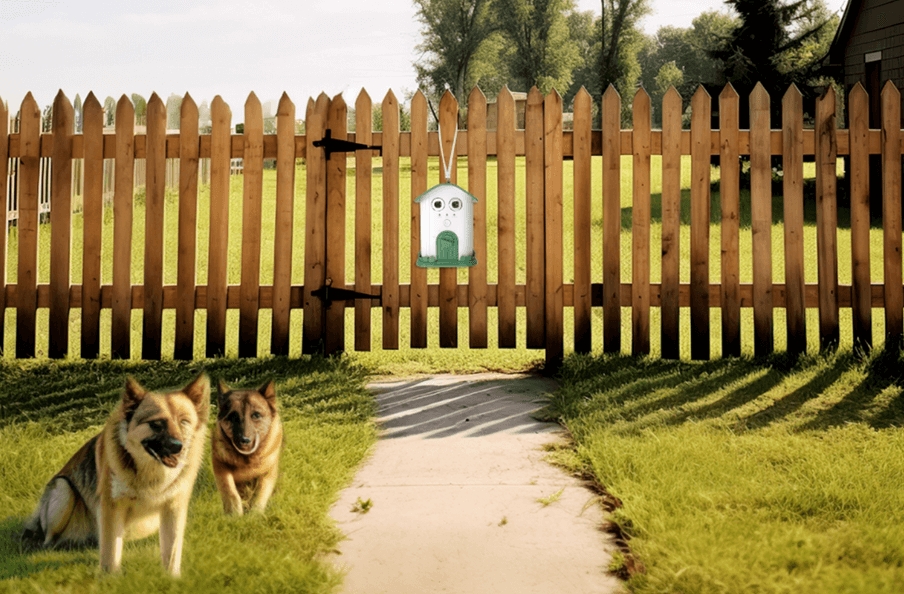
This is a small box (not a collar) that makes ultrasonic sounds when it hears barking. You can place it in your yard or house to stop excessive barking without a collar. Good for homes with multiple dogs, but it might bother other pets nearby. Some models let you adjust the sound strength—start with low power to see how your dog reacts.
A small device you hold and point at your dog when it barks. It makes an ultrasonic sound to interrupt the barking. Useful for training in specific situations, like when your dog barks at strangers or the mailman. You must be there to use it, so it's not automatic. Combine it with commands like "Quiet" for better results. Don't overuse it, or your dog might stop responding.
A collar with a remote control that lets you send signals (vibration, sound, or shock) to correct your dog’s behavior. Unlike automatic bark collars, you decide when to use it. Helpful for general training, like stopping barking, recall ("Come!"), or jumping. Choose a collar with vibration/sound first—avoid shock unless really needed. Requires practice to use correctly.
Comparison Table
Too | How It Works | Pros | Cons | Best For |
Vibration Collar | Vibration | Safe, no pain | Some dogs ignore it | Mild barking |
| Shock Collar | Static shock | Works fast | Can scare your dog | Last-choice option |
Ultrasonic Collar | High sound | No touch, harmless | May stop working later | Medium barking |
Ultrasonic Device (Box) | High sound | No collar needed | Can affect other pets | Yards/rooms |
Handheld Ultrasonic | High sound | You control when to use | Must be nearby | Specific barking cases |
| Remote Trainer | Vibration/Sound/Shock | Good for many behaviors | Needs training to use right | Advanced training |
When using a bark control device, first choose the right type based on your dog's breed, size, and personality. There are vibration, shock, or ultrasonic devices. Before putting it on your dog, check if the device is working properly. Make sure it fits well, not too tight or too loose. Let your dog get used to wearing the collar for a while before turning it on. After you turn it on, watch your dog's reaction and adjust the settings, like sensitivity.
Some bark control devices can change sensitivity. For dogs that bark a lot for no reason, you can set the sensitivity higher. This way, it will work when the dog just starts to bark. For dogs that bark only sometimes, you can set the sensitivity lower to avoid false alarms.
When your dog's barking gets much better, don't stop using the device right away. Slowly use it less and less. For example, start by using it for a few hours a day, then use it once a day, and finally stop using it completely. This helps your dog keep the good behavior and stops it from barking too much again. (Recommended reading: step-by-step guide on how to use an anti-bark collar)
If you want to use it to stop your neighbor's dog from barking, it is recommended to choose an automatic ultrasonic barking control device.
The ultrasonic bark control is a device that uses the principle of ultrasound to stop dogs from barking. Ultrasonic waves are sounds with high frequencies above the human hearing range, but dogs can sense them. When a dog barks, this device emits strong ultrasonic waves that make the dog feel uncomfortable or distracted, so that it stops annoying barking.
Put the device near areas where your neighbor's dog often hangs out (such as fences, balconies), but avoid pointing it directly at your neighbor's windows or living areas. Make sure it's at a good height so it can pick up the dog's barking well. When you use it for the first time, start with a low level of sound. Watch how the dog reacts. Then, slowly change how sensitive and strong the sound is based on how neighbor's dog responds. This way, you won't upset their dog too much.
Among all these 6 tools to stop barking, the shock collar works very well, but it can be dangerous. It should only be used as a last choice and with the help of an expert. The ultrasonic bark collar is a good choice because it stops barking without hurting the dog. It balances safety and effectiveness. The vibration collar gives a gentle touch to remind the dog to stop barking. It's good for dogs that are sensitive, but it might not work as well over time.
The remote control trainer needs a person to operate it. It's very flexible, but it can't stop barking automatically. It's better for training other behaviors. The automatic ultrasonic device is good for stopping barking in a fixed space, but it might not work well if there's too much noise around. The handheld ultrasonic device needs a person to turn it on. It's good for training in specific situations, not for stopping barking all the time by itself.
Overall, the ultrasonic tools (collars and devices) are the best in safety and effectiveness. The shock collar is strong but should be used carefully. All these tools need to be used with behavior training to stop barking for a long time.
To stop your dog from barking, first understand why they bark. Then, try training with the "quiet" command and rewards. If needed, use tools like vibration collars or ultrasonic devices. These are safer and more effective than shock collars. For neighbors' dogs, try an automatic ultrasonic device. Remember, combining tools with training works best for long-term results.
Recommended reading
How Do Bark Collars Help With Barking Training
Recommended
TIZE, founded in 2011 and based in Shenzhen, China, is a professional OEM/ODM manufacturer and supplier of a variety of dog training devices, LED dog collars, pet leashes and harnesses, pet trackers, cat water fountains, and dog chew toys, etc.