TIZE- a professional custom pet products manufacturer and dog training device supplier since 2011.
Language
TIZE- a professional custom pet products manufacturer and dog training device supplier since 2011.
When shopping for a dog harness, one size definitely does not fit all, especially if your dog is deep-chested. Breeds like Dobermans, Greyhounds, Weimaraners, and Vizslas have narrow waists paired with long, deep chests. This unique body structure makes it hard for standard harnesses to fit properly. A poor fit can lead to discomfort, chafing, or even slipping out of the harness entirely.
In this guide, we'll explain what deep-chested dogs are, why they need special big harnesses, and how to choose the best one for a safe, secure, and comfortable fit.
Deep-chested dogs are characterized by a longer, more pronounced rib cage that extends closer to their waist, creating a noticeable tuck-up behind the chest. This body type gives them an athletic, streamlined appearance. You'll typically see this in:
● Greyhounds & Whippets
● Doberman Pinschers
● Boxers
● Standard Poodles
● German Shepherds
● Weimaraners
● Vizslas
● Great Danes
These dogs are often agile, fast, and powerful, but their deep chest and narrow abdomen can make it hard to find a suitable dog harness that stays secure and doesn't cause rubbing or slipping.
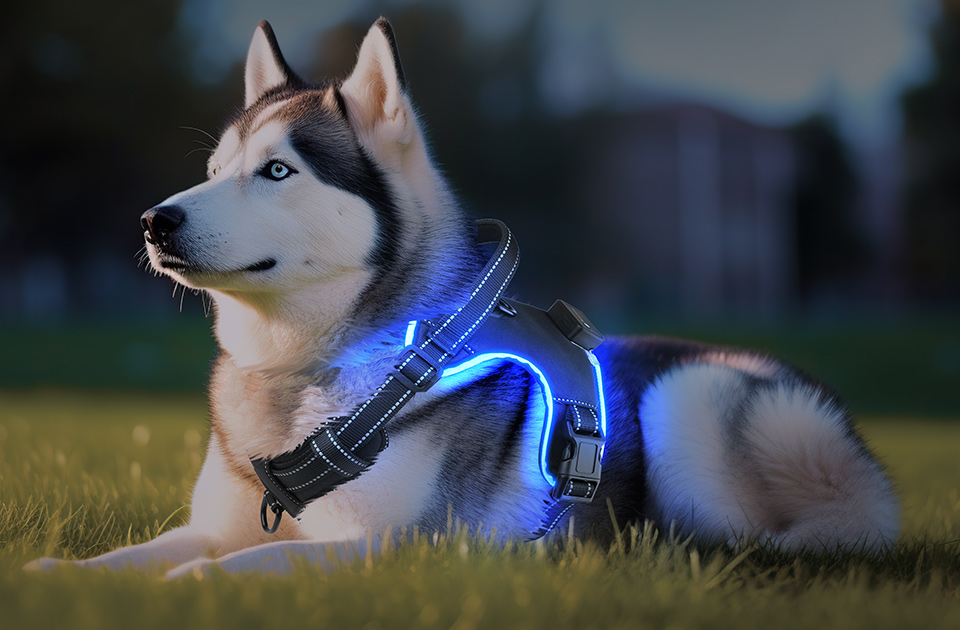
Traditional or generic dog harnesses are often designed with average proportions in mind. Deep-chested breeds tend to fall outside of those measurements, which creates common issues like:
● Harness Slipping Off: The narrow waist and deep chest combo can cause a loose vest harness to shift or even slide off.
● Underarm Chafing: If the straps don't sit correctly, they may rub against the dog's sensitive underarms.
● Unbalanced Pressure Points: ill-fitting harnesses may put pressure on the wrong areas, leading to discomfort or restricted movement.
● Inadequate Adjustability: One-size-fits-all options may not provide enough strap adjustments to create a secure, customized fit.
That's why it's important to find a harness that's specifically designed to accommodate a deep chest and narrow waist.
Not all dog harnesses are equal—especially when your dog has a non-standard shape. Look for these key features when choosing a harness for your deep-chested pup:
● Multiple Adjustment Points: Look for at least three adjustment areas (neck, chest, and belly) to fine-tune the fit.
● Y-Shaped or H-Shaped Design: These shapes offer more balanced pressure distribution and help prevent the harness from slipping or twisting.
● Padded Chest and Belly Straps: Comfort matters! Padding helps prevent rubbing and allows for longer, more comfortable walks.
● High-Quality Materials: Breathable mesh or soft nylon ensures durability without sacrificing comfort.
● Dual Leash Attachment Points: Both front and back clips provide flexibility for training or casual walks.
● Escape-Proof Features: A harness that wraps around the chest and lower torso reduces the risk of slipping out.
Here are the top five types of dog harnesses that veterinarians and dog trainers often recommend for deep-chested breeds:
This type of harness sits over the shoulders and creates a Y-shaped front, allowing full shoulder mobility while gently discouraging pulling.
Why it works:
● It fits snugly around the deep chest.
● Prevents pressure on the trachea and underarms.
● Front clip helps redirect dogs who pull on the leash.
Recommended for: Greyhounds, Weimaraners, and energetic dogs in training.
These harnesses offer both a front and back clip and are fully adjustable in multiple areas to accommodate deep bodies and narrow waists.
Why it works:
● More adjustability = better fit.
● Can be used for both casual walking and obedience training.
● Ideal for growing dogs or mixed-breed body types.
Recommended for: Dobermans, Vizslas, German Shepherds.
This type is built for strength and durability. It features a padded body, a back-mounted handle, and usually includes MOLLE webbing or reflective elements.
Why it works:
● Designed for active or working dogs with lean, deep frames.
● The handle gives extra control on trails, stairs, or in emergencies.
● Secure fit with full chest coverage.
Recommended for: Boxers, Belgian Malinois, large working breeds.
These are easier to put on for dogs who dislike having harnesses pulled over their heads. The secure chest fit helps prevent shifting or sliding.
Why it works:
● Simple wear method (no head insertion).
● Chest placement prevents pressure on the neck.
● Snug fit around the ribcage.
Recommended for: Anxious dogs or those recovering from surgery.
Some brands offer custom-fit or breed-specific harnesses designed with unusual proportions in mind.
Why it works:
● Tailored sizing creates a secure and comfortable fit.
● Ideal for dogs who don't fit standard sizes.
● Reduces trial-and-error shopping.
Recommended for: Sighthounds like Greyhounds, Whippets, Salukis.
Even the best harness won't work if it doesn't fit correctly. Here are some quick tips:
Use a soft measuring tape and record:
● Chest girth (widest part of the ribcage)
● Neck circumference
● Torso length (for longer-bodied dogs)
● You should be able to slide two fingers comfortably between the harness and your dog's body. Too loose? It may slide off. Too tight? It could cause discomfort.
● Balance is key. Loosening only one side can lead to uneven pressure and discomfort.
● Before heading out, gently tug on the harness to see if it shifts, twists, or slips. A properly fitted harness should stay centered and snug.
● Choosing based on looks alone. Always prioritize structure and fit over colors or patterns.
● Ignoring adjustability. More adjustment points = better fit.
● Buying "universal" sizes. Deep-chested dogs rarely fit standard sizing charts.
● Neglecting regular fit checks. Dogs change over time—whether due to age, weight, or muscle gain.
A: Deep-chested dogs have a narrow waist and a long, deep ribcage that extends downward and backward. You'll notice a clear “tuck” behind the ribcage when viewed from the side. Breeds like Greyhounds, Dobermans, and Vizslas commonly have this body structure.
A: While they can, most standard harnesses won't fit properly. A harness designed for average body shapes may slip, chafe, or restrict movement. It's best to choose a harness with multiple adjustment points and a structure suited for deep bodies and narrow waists.
A: First, double-check the fit—it may be too loose. Use a harness with an escape-proof design or extra belly strap. Y-shaped and dual-clip harnesses tend to offer a more secure fit for deep-chested dogs. Avoid step-in types if your dog is an escape artist.
A: Yes, especially Y-shaped no-pull harnesses. They are vet-recommended for reducing pressure on the trachea and distributing force evenly across the chest. Just ensure the front clip doesn't sit too low or rub under the legs.
A: Every 1–2 months, or after any noticeable change in your dog's weight or activity level. Puppies, seniors, or dogs recovering from surgery may need more frequent adjustments.
All the harnesses listed below are designed with deep-chested dogs in mind. They feature adjustable straps, padded chests, and escape-resistant designs.
● Dual leash clips (front & back)
● Fully adjustable at neck and chest
● Breathable mesh padding
● Reflective stitching for night safety
● deal for: Dobermans, Vizslas, GSPs
Sizes available: M, L, XL
● Durable Oxford fabric with heavy-duty stitching
● Secure belly and chest strap
● Built-in handle for control and lifting
Ideal for: German Shepherds, Boxers, Malinois
● Designed for sensitive dogs that dislike over-the-head harnesses
● Low-chest adjustment straps to prevent slipping
● Soft, padded inner lining
Ideal for: Whippets, Greyhounds, Poodles
● Ergonomic design for deep-chested and narrow-bodied breeds
● Slim belly strap placement to avoid chafing
● Lightweight and comfortable for everyday wear
Ideal for: Greyhounds, Italian Greyhounds, Salukis
● Four adjustment points
● Leash clips on both chest and back
● Made with anti-chafe fabric
Ideal for: Growing dogs or mixed-breed deep-chested dogs
Deep-chested dogs deserve special harnesses that fit their unique shape. Whether your dog is an athletic sighthound or a large working breed, the right harness will offer the perfect balance of security, comfort, and control.
By understanding your dog's body type and knowing what features to look for, you'll be well equipped to choose a harness that keeps your pup safe and happy on every walk.
As a professional dog harness manufacturer since 2011, TIZE manufactures a variety of pet harnesses for dogs and cats. Browse our carefully selected collection of adjustable, comfortable, and vet-approved dog harnesses made for deep-chested breeds.
You might also like other articles related to pet harnesses.
13 common dog harnesses introduction
Detailed guide to using dog harnesses
vet recommended dog harness types
Recommended
TIZE, founded in 2011 and based in Shenzhen, China, is a professional OEM/ODM manufacturer and supplier of a variety of dog training devices, LED dog collars, pet leashes and harnesses, pet trackers, cat water fountains, and dog chew toys, etc.

