TIZE- a professional custom pet products manufacturer and dog training device supplier since 2011.
Language
TIZE- a professional custom pet products manufacturer and dog training device supplier since 2011.
Bark collars can be a game-changer in managing your dog's excessive barking, but to use them effectively.
you need a well-thought-out plan. Here is a step-by-step explanation of how to use a bark collar and how it aids in dog training:
Before using any training tool, it's crucial to understand why your dog barks.
Identify the triggers, such as strangers, other animals, or boredom.
This will help you address the root cause and tailor your training approach.
Determine whether to use a bark collar for training your dog.
Not all bark collars are created equal. Choose one that is suitable for your dog's size and breed.
There are primarily three types in the market:
Beep vibration collars that provide warning sounds and gentle vibration, Shock collars deliver a mild, safe static shock,
Ultrasonic bark collars that emit high-frequency harmless ultrasound which is the most humane tool in market.
Attention, look for collars with adjustable stimulation levels, ensuring them non-harmful and approved by safety authorities.
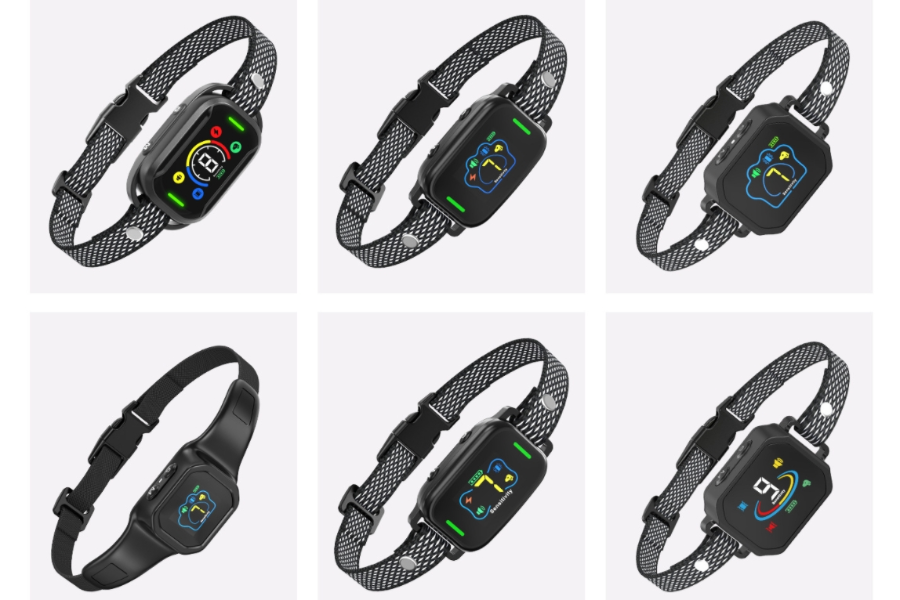
Before using the no-bark collars on your pet, test the collar to ensure it is functioning properly.
Follow the manufacturer's instructions for testing the anti-bark devices.
Introduce the collar to your dog gradually. Let them sniff and investigate it.
Put it on without activating it for a few hours each day so your dog associates the collar with normal, non-aversive experiences.
The collar should fit comfortably around your dog's neck, not too tight to choke or too loose to slip off.
There should be space for two fingers between the collar and your dog's neck.
Ensure the contact points are in direct contact with the skin for effective stimulation.
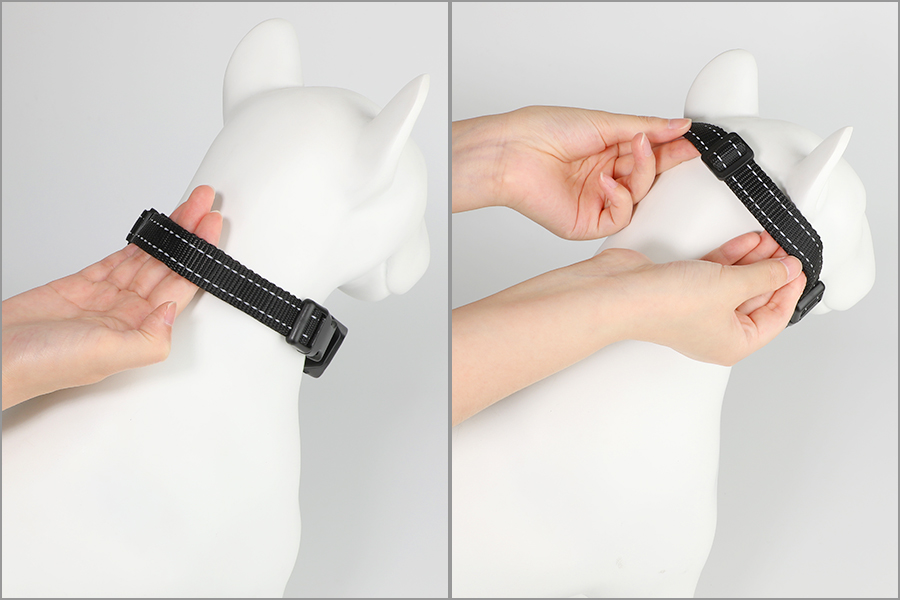
After your dog gets comfortable with the collar, you can activate it and start the training.
Start with the lowest level of stimulation and observe your dog's reaction. Gradually increase the level, until your dog responds to the shock.
Whenever your dog responds positively to the collar by ceasing to bark, reward them with treats, praise, or playtime.
This positive reinforcement will help your dog associate the cessation of barking with rewards.
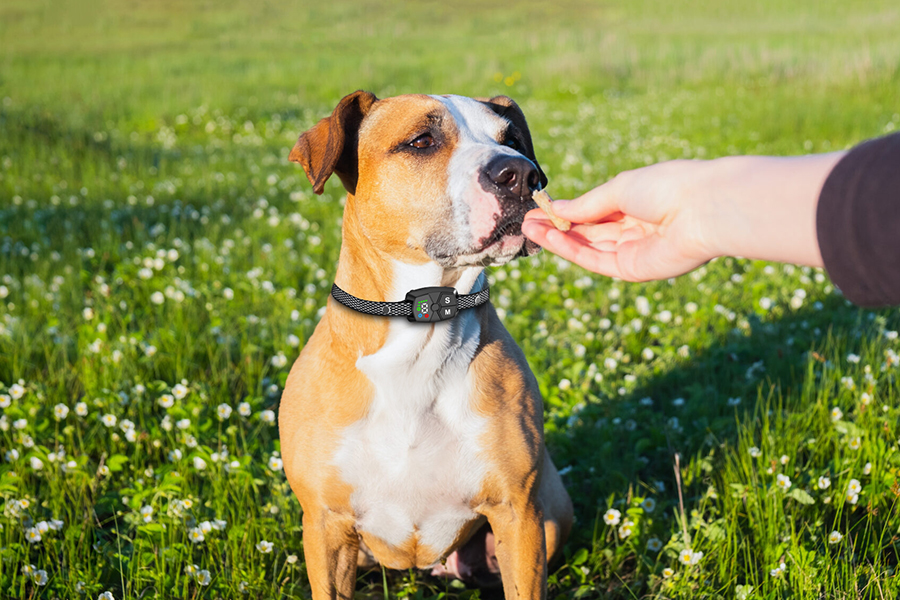
Keep a close eye on your dog's progress. If the collar is not effective or your dog shows signs of stress, reevaluate the settings and make adjustments as needed. Always prioritize your dog's well-being and comfort.
Once your dog consistently exhibits controlled barking, start to decrease reliance on the collar. Lengthen the periods between its use, and when your dog reliably barks only in suitable situations, discontinue its use completely.

Hope you can effectively train your dog's bark and only when appropriate, creating a more peaceful and harmonious living environment for both.
Last but not least, remember that the use of an anti-bark collar should always be paired with positive reinforcement and a comprehensive training plan. It's essential to prioritize your dog's well-being and to use the collar as a tool for teaching and guiding, not for punishment.
Recommended
TIZE, founded in 2011 and based in Shenzhen, China, is a professional OEM/ODM manufacturer and supplier of a variety of dog training devices, LED dog collars, pet leashes and harnesses, pet trackers, cat water fountains, and dog chew toys, etc.

